
Southern California’s Infrastructure Boom: How Modern Buildings Are Getting Wired for the Future
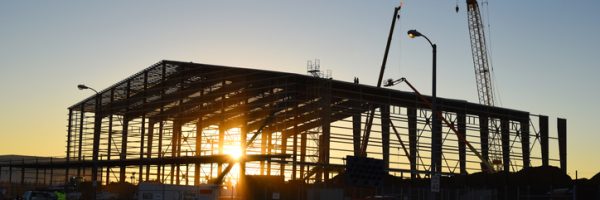
The skyline of Southern California is transforming, and it’s not just about new construction—it’s about how these buildings are being wired from the ground up. As commercial real estate rebounds and technology demands surge, the region is experiencing an infrastructure modernization wave that’s reshaping how businesses connect, communicate, and compete in an increasingly digital economy.
The Digital Infrastructure Imperative
According to the U.S. Department of Energy, buildings account for approximately 40% of total U.S. energy consumption, and smart building technologies can reduce energy use by up to 30%. This statistic is driving property owners and developers across Southern California to rethink their approach to building infrastructure, particularly when it comes to structured cabling and low voltage systems that form the backbone of modern smart buildings.
The pandemic accelerated digital transformation by an estimated five to seven years, according to research from McKinsey & Company. This compression has created unprecedented demand for robust, future-proof infrastructure that can support everything from high-speed internet and cloud computing to IoT sensors and building automation systems. For commercial properties in competitive markets like Los Angeles, Orange County, and San Diego, having state-of-the-art connectivity infrastructure is no longer optional—it’s essential for attracting and retaining tenants.
Beyond Basic Connectivity
Today’s structured cabling systems do far more than simply connect computers to the internet. Modern low voltage infrastructure supports integrated building management systems, security and surveillance networks, access control systems, digital signage, wireless access points, and increasingly sophisticated IoT ecosystems that monitor everything from air quality to occupancy patterns.
“The buildings that will thrive in the next decade are those being wired today with scalability in mind,” notes a recent report from the Building Owners and Managers Association International. This forward-thinking approach requires specialized expertise in network design, cable management, and technology integration—capabilities that specialized contractors like Alphacom Inc bring to projects throughout Southern California.
California’s Unique Infrastructure Challenges
The Golden State presents unique challenges for infrastructure projects. Stringent building codes, seismic requirements, and California’s Title 24 energy efficiency standards mean that contractors must navigate complex regulatory environments while delivering cutting-edge solutions. The California Energy Commission has continuously updated these standards to push buildings toward greater efficiency and sustainability, making the role of experienced low voltage contractors even more critical.
Additionally, California’s push toward electrification and renewable energy integration is creating new demands on building electrical and data systems. Solar installations, EV charging infrastructure, and battery storage systems all require sophisticated monitoring and control networks that must seamlessly integrate with existing building systems.
The 5G and Edge Computing Factor
The rollout of 5G networks across Southern California is creating another layer of infrastructure demand. According to the Federal Communications Commission, 5G will require significantly denser networks of small cell installations, often integrated into commercial buildings. This means more fiber optic cabling, more equipment rooms, and more sophisticated distributed antenna systems—all of which fall under the purview of structured cabling professionals.
Furthermore, edge computing—which processes data closer to where it’s generated rather than sending it to distant data centers—is becoming increasingly prevalent in smart buildings. This architectural shift requires robust local network infrastructure capable of handling significant data processing loads while maintaining security and reliability.
Investment Trends Tell the Story
The numbers speak for themselves. Commercial real estate investment in Southern California reached $43 billion in recent years, according to data from CBRE Group, with a significant portion of that capital flowing toward property upgrades and modernization. Landlords recognize that buildings with superior connectivity infrastructure command premium rents and enjoy higher occupancy rates.
This investment extends beyond new construction. Existing buildings across the region are undergoing significant infrastructure retrofits to remain competitive. Older Category 5e cabling is being replaced with Category 6A or fiber optic systems. Legacy security systems are being upgraded to IP-based networks. Outdated electrical panels are being replaced with smart distribution systems that can accommodate modern power and data demands.
The Workforce Behind the Transformation
Supporting this infrastructure boom requires a skilled workforce of technicians, project managers, and engineers who understand both the technical requirements and the unique characteristics of Southern California’s built environment. Industry certifications from organizations like BICSI (Building Industry Consulting Service International) have become standard expectations for professionals working on these complex systems.
The shortage of skilled trade workers nationwide—highlighted in reports from the U.S. Bureau of Labor Statistics—makes finding experienced contractors even more valuable for property owners undertaking major infrastructure projects.
Looking Ahead
As artificial intelligence, machine learning, and automation continue to advance, the infrastructure demands on commercial buildings will only intensify. The buildings being wired today must be capable of supporting technologies that haven’t even been invented yet. This requires not just quality craftsmanship in installation, but strategic planning around conduit pathways, equipment room capacity, and system architecture that can evolve with technology.
Southern California’s position as a technology and innovation hub means its buildings must set the standard for connectivity and smart infrastructure. The region’s continued economic competitiveness depends on having commercial spaces that can support the digital demands of modern business—from tech startups to established enterprises, from creative agencies to financial services firms.
The infrastructure boom transforming Southern California’s built environment represents more than just a construction trend. It’s a fundamental reimagining of what buildings can and should be in the digital age—connected, intelligent, efficient, and ready for whatever the future brings.