
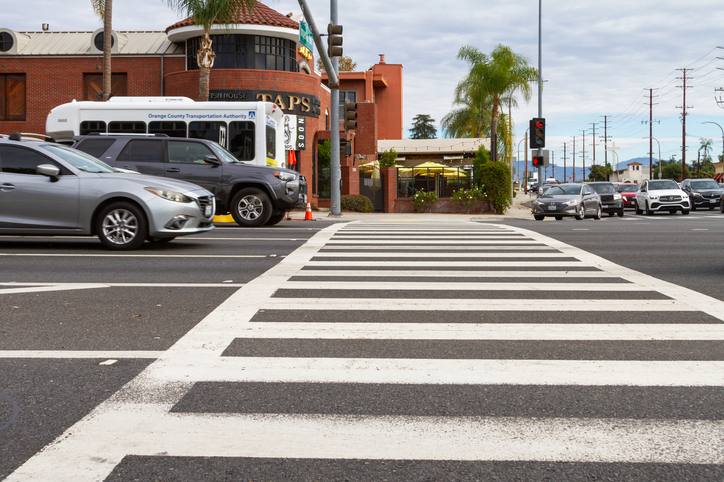
As Traffic Patterns Shift Nationwide, Mid-Size Cities Feel the Strain
Across the United States, traffic patterns are changing in ways that are quietly reshaping how—and where—serious crashes occur. While much of the attention remains focused on major metro areas like Atlanta, Los Angeles, and Houston, recent transportation data suggests that mid-size cities and college towns are increasingly bearing the brunt of roadway risk.
The reasons are layered: population spillover from large cities, increased commuter travel, distracted driving trends, and infrastructure that has not kept pace with growth. Together, these factors are creating a new accident landscape—one that often flies under the radar until serious injuries or fatalities force public attention.
A National Rise in Risk Outside Major Metros
According to data from the National Highway Traffic Safety Administration (NHTSA), traffic fatalities have remained stubbornly high even as some urban centers invest heavily in road safety initiatives. In contrast, smaller and mid-sized cities frequently lack the funding or political urgency to implement comparable measures, despite seeing steady increases in vehicle traffic.
The Federal Highway Administration (FHWA) has also noted that congestion is no longer just a “big city problem.” Suburban corridors, regional highways, and city streets in growing communities now experience peak-hour gridlock that mirrors much larger metro areas. With congestion comes impatience, risky driving behaviors, and a higher likelihood of collisions.
Why College Towns Are Uniquely Vulnerable
College towns sit at a crossroads of competing traffic patterns. Local residents, daily commuters, rideshare drivers, delivery vehicles, and large student populations all converge on infrastructure that was often designed decades earlier for far less volume.
Seasonal population swings—move-in weeks, home football games, graduations—add another layer of unpredictability. Temporary traffic congestion becomes normalized, even as the risk of crashes increases. Pedestrian and cyclist exposure is also significantly higher in these environments, raising the stakes when drivers are distracted or unfamiliar with local roads.
Georgia’s Growing Transportation Pressures
Georgia has experienced consistent population growth over the past decade, with many residents settling outside Atlanta while continuing to commute for work, education, or healthcare. This expansion has pushed traffic farther into regional hubs and smaller cities, increasing wear on roads that were never intended to handle sustained high volumes.
The Georgia Department of Transportation (GDOT) has acknowledged that crash patterns are evolving statewide, particularly along arterial roads and multi-lane corridors that pass directly through city centers. These roads often serve dual purposes: facilitating through-traffic while also acting as local access routes—an inherently risky combination.
The Local Impact in Places Like Athens
In cities such as Athens, these national and statewide trends manifest in very tangible ways. The city’s role as a regional education and cultural hub means traffic is rarely static. Visitors, students, and commuters share the road with long-term residents, creating conditions where misjudgments and momentary distractions can have serious consequences.
As traffic density increases, so does the frequency of rear-end collisions, intersection crashes, and pedestrian-involved accidents. Over time, Athens, Georgia car accidents have become less about isolated incidents and more about systemic pressure on local infrastructure—a pattern echoed in similar cities across the country.
Technology Helps—But Not Enough
Advanced driver-assistance systems, improved vehicle safety standards, and smarter traffic signaling have all contributed to safer roads in theory. In practice, however, technology has not eliminated human behavior as the primary risk factor.
The Centers for Disease Control and Prevention (CDC) continues to identify distracted driving—particularly smartphone use—as a leading cause of serious crashes. In mixed-use cities with heavy foot traffic and frequent stops, even a brief lapse in attention can result in life-altering injuries.
When Crashes Become Legal and Economic Events
Beyond the immediate physical harm, car accidents carry long-term financial and legal consequences that ripple through families and communities. Medical costs, lost income, insurance disputes, and liability questions can quickly overwhelm those involved, particularly when injuries are severe.
In growing regional cities, these cases are becoming more complex as traffic conditions mirror those of much larger metros. Determining fault, evaluating roadway design, and navigating insurance coverage often requires local knowledge as well as legal experience—especially when crashes occur in high-traffic corridors or near campus areas.
Looking Ahead: Prevention or Reaction?
Until broader infrastructure and safety reforms catch up with these changing traffic realities, individuals involved in serious crashes are often left navigating not just physical recovery, but complex insurance and liability questions as well. In communities experiencing shifting traffic patterns and increased roadway pressure, having access to knowledgeable local legal guidance can play an important role in how those matters are ultimately resolved, particularly when firms like Simon Bridgers Spires bring familiarity with the regional transportation and legal landscape.